The Nervous System Doesn't Need Your Story. It Needs a Song
A personal essay on music, memory, and why your body already knows how to change.

I first started playing with the idea of using music to shift and heal memories during COVID. I remember a video circulating on social media of a young woman singing the song, “Dreams” by Fleetwood Mac, sitting in her room while playing an acoustic guitar. The song spread like wildfire and pretty soon everyone was singing it again, like it was 1977.
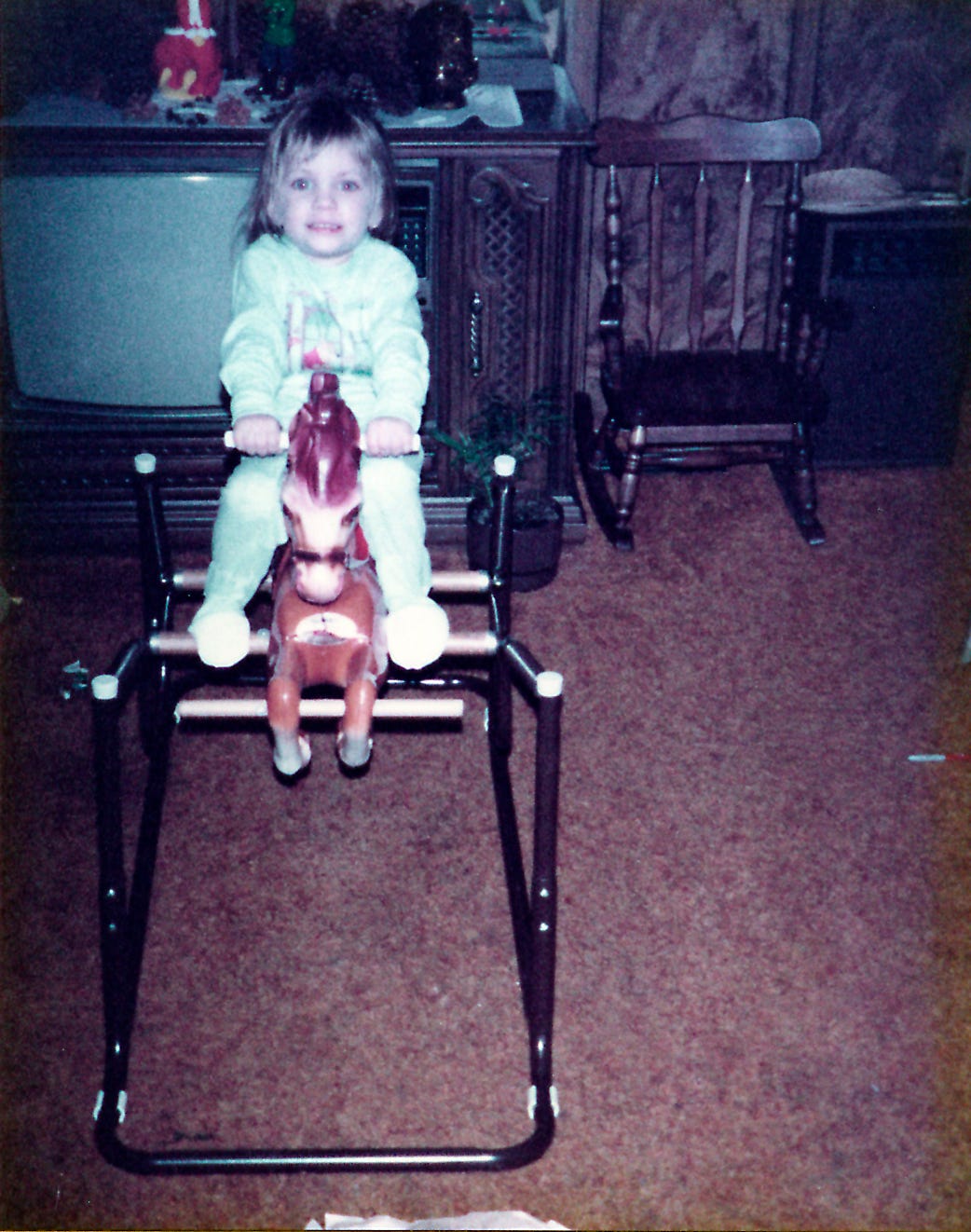
I have always loved Fleetwood Mac’s catalogue, having grown up on it, and “Dreams” hit especially hard for me. I hadn’t really listened to it in years, but the moment it came on, I felt overwhelmed with emotion. It took me instantly back, as music often does, to a time when I was probably three or four years old, sitting in our living room of the single-wide mobile home we lived in with my very young parents. The memory was complicated. While the song brought back feelings of joy and happiness, there was a deep undercurrent of sadness.
By then, I had learned that turning toward discomfort often revealed more than avoiding it ever could. I bought the vinyl and began playing it on repeat for weeks. I was basically obsessed with it.
This memory comes from a time when we bought records and played them through, becoming familiar with an entire album, not just the singles. I’d heard this album dozens of times at least in childhood, but what stood out was that only “Dreams” triggered this complex reaction. I’d play the album and then repeat “Dreams” an extra time or two before changing the record.
The good memories that came up were a throwback to a simpler time. Playing in the sprinkler with cousins in the warm sunshine and prickly grass. Popsicles. Terry-cloth rompers tied at the shoulders. Waiting for my dad to come home and make me feel like the most special girl, often while cracking open a beer or two or three as my mom made dinner and took care of everyone.
My parents were young when they had me, just eighteen and twenty-one, kids themselves. They carried their own trauma, including the loss of a sibling for my mother just five years before I was born. No one taught them how to get support, how to heal themselves, or how to communicate their needs and desires without yelling or withdrawal. I remember the fighting. I remember the feeling of what I recognize as conflict, uncertainty, instability, and stress.
My child nervous system absorbed all of this while “Dreams” spun on the record player in the background, the soundtrack of my childhood at this time.
So here I was, forty years old, listening to “Dreams” again, feeling both nostalgic and deeply sad for what was, what could have been, and what never was. I played that song over and over, and gradually noticed that the more I listened, the less negative emotional charge it held.
The more I listened, the more I allowed myself to cry, to process, and to touch unprocessed grief, while also holding the positive nostalgia for a time that was, in many ways, genuinely happy.
Over time, the song stopped triggering sadness, and became one of empowerment.
One day, I realized that I had transformed the hold that this song had on me simply by being with it. I allowed the emotions to surface, took breaks when I needed to, and returned when it felt right.
It struck me that I had rewired my nervous system not through force, but by meeting it where it was willing to go, with familiar music as the guide. Nothing needed to be pushed or excavated. It unraveled gradually, without needing to analyze or retell the story, simply through staying present with what my body was ready to feel.
This is the experience I built The Heretical Frequency around.
Not a theory. Not a methodology someone handed me. A Saturday afternoon with a record on repeat and a memory I didn’t know I’d been carrying for thirty-something years.
Your Human Design chart carries its own soundtrack. Every energy type, every authority, every defined and undefined center responds to frequency differently. The playlists I’ve curated aren’t random. They’re matched to your specific design because your nervous system has a specific way it takes in the world and a specific way it needs to release what no longer belongs to it.
If you want your own personalized Human Design playlist report, it’s waiting for you.